Batch Cooking 101: What is the Healthiest Way to Store Your Baby and Toddler Meals?
As any parent knows, the window between "my toddler is playing happily" and "my toddler is hangry and melting down" is approximately 30 seconds wide. This reality makes meal prep not just a hobby, but a survival strategy.
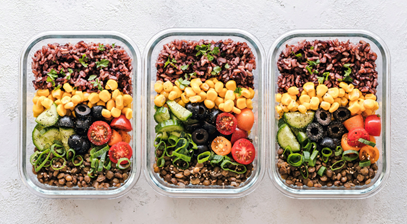
We spend hours researching the best organic spinach, steaming sweet potatoes to the perfect consistency and hiding lentils in the bolognese. But after all that effort to create a nutritious meal, we often fall at the final hurdle: storage.
How you store your baby's food is just as important as how you cook it. Improper storage can lead to nutrient loss, bacterial growth and (a growing concern for modern parents) chemical leaching. If you are looking to optimise your little one’s nutrition, here is the healthiest way to manage the mealtime chaos.
The Problem with Plastic & The Glass Revolution
For decades, plastic tupperware was the default for parents. It’s light, it’s cheap and it bounces when dropped. However, as we learn more about food safety, the shine has started to wear off.
Many plastics, especially older ones or those that have been through the dishwasher hundreds of times, can degrade. When heated in a microwave, some plastics risk leaching chemicals like BPA or phthalates into the food. Even "BPA-free" plastics can harbor scratches where bacteria hide, or retain the phantom smells of last week’s fish pie, which isn't appetising for a sensitive toddler palate.
If you want the absolute healthiest option for your child, the answer is simple: switch to glass.
Glass is an inert material. It is non-porous, meaning it won’t absorb stains (goodbye, orange carrot stains!) or smells. It doesn't leach chemicals, even at high temperatures. This is why many nutrition-conscious parents are investing in sets of glass food containers to overhaul their kitchen storage. Brands like Pyrex offer durable, freezer-safe options that allow you to cook, store, freeze and reheat all in the same dish. This isn't just about health; it's about sanity: reducing the number of bowls you have to wash is a health benefit for you, too.
Cooling Down: The Safety Zone
Once you have your storage containers ready, the next step is temperature control. One of the biggest mistakes parents make is putting hot food straight into the fridge.
Placing a steaming container of puree into the fridge raises the internal temperature of the appliance, potentially putting other perishable items (like milk or meat) at risk. However, leaving baby food out on the counter for too long is also dangerous.
Bacteria thrive in the "Danger Zone", between 8°C and 63°C. To navigate this, cool your food rapidly. You can place the pot of food in a sink of cold water to bring the temperature down quickly. Once it stops steaming, portion it into your containers and get it into the fridge or freezer immediately.
Freezing for Nutrient Retention
Is fresh always best? Surprisingly, not always.
Nutrients, particularly Vitamin C and folate, begin to degrade as soon as a vegetable is harvested. If you buy fresh broccoli and let it sit in the fridge for a week before cooking, it has likely lost a chunk of its nutritional value.
Freezing is nature's pause button. Cooking a batch of food and freezing it immediately locks in the vitamins and minerals at that moment.
When freezing for babies and toddlers, air is the enemy. Oxygen causes freezer burn and nutrient degradation. This is another area where high-quality storage shines. You want containers with an airtight, leak-proof seal. Fill the container nearly to the top, but leave about a centimeter of space, as liquids expand when frozen. This ensures the food stays protected without cracking the lid or the container.
The Reheating Rules
When it is time to eat, how you reheat matters. The microwave is convenient, but it can create "hot spots" in food that can scald a baby’s mouth.
If you are using glass, you have the option to reheat in the oven, which provides a more even heat. If you do use the microwave, the beauty of glass is that it remains safe under microwave radiation. Unlike plastic, which can warp or release microplastics when blasted with heat, glass remains stable.
Always stir food thoroughly after reheating and test the temperature on the inside of your wrist. Remember, you should only reheat baby food once. If they don't finish it (and let’s be honest, how often does a toddler finish everything?), the leftovers must be discarded to prevent bacterial growth from their saliva making its way back into the food.
Portion Control for Less Waste
Finally, healthy storage is about portion size. Storing a giant tub of stew means you have to defrost the whole thing to feed a tiny human.
Instead, create "toddler-sized" portions. Small ramekins or dedicated small storage containers are perfect for this. It allows you to pull out exactly what you need, reducing food waste and ensuring that every meal is "freshly" opened.