Crack Potty Training the Fun Way: Make Poo-Doh!
By Children’s Nurse & Potty Learning Expert, Rebecca Mottram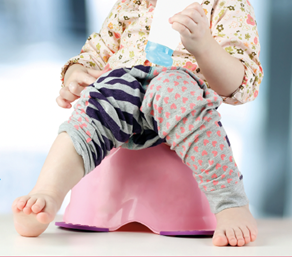
Potty training can feel like one of the trickiest milestones of early childhood, but what if you could turn it into play?
Research shows that many parents hit roadblocks such as refusal, anxiety, or difficulty adapting from nappies to the potty (Matson et al 2017; Wagner et al 2017; Schonwald et al 2004). The good news is, there’s a playful way through: Poo-Doh.
This delightfully fun activity uses homemade play-doh (yes, brown if you like!) to help children explore how their bodies work, teach them the basics of how to manage poo and wee whilst building their confidence to use the potty.
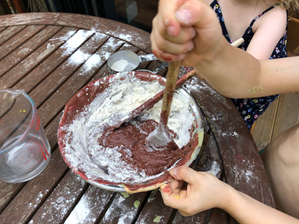
1. Make the poo doh
Children love sensory play with something squishy and hand squeezing activities such as the motion of forming “poo” from dough are also beneficial for their fine motor development. My favourite is to make it brown, but you can also make glitter poo, rainbow poo, even dinosaur poo! Making the poo gives you a chance to show them what healthy poo should look like.
2. Normalise and talk about Poo
When you roll and squeeze the poo doh with a bit of humour and giggles, conversations about bodily functions become natural. With this, you can playfully introduce the character of Mr Poo, who always wants to find his way to Pooland, down the toilet. Using play like this allows children to explore the topic safely and provides a powerful antidote to the pressure they may feel when learning to use the toilet. Sensory activities like rolling and squeezing dough help children with emotional regulation, helping to create a beneficial learning environment for your child.
3. Role-play to practice and build skills
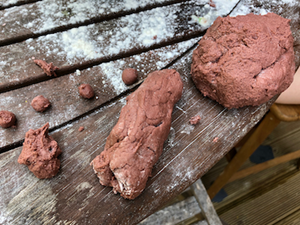
Once you’ve made your poo doh, you can use it to act out what happens at toilet time: plop poo in the potty, tip it into the loo, flush, and wash hands. Let dolly or teddy have a go too. Modelling each step gives children structure and predictability; two key ingredients for toileting success. At this stage of development, children live in their imagination so delivering information through play meets them where they are in a child-centred way.
4. A hands-on biology lesson
Make your hand into a fist and gently push the dough through to show how poo moves through the body. Children can see and feel what’s happening, helping them recognise those “tummy tickles” as signals to go. Understanding the process reduces fear and builds trust in their bodies.
Ready to Give It a Go?
Download your free Poo-Doh Recipe + Poo Checker
You’ll get:
* A simple step-by-step recipe for homemade “poo”
* A printable chart to spot healthy poos and wees
* Constipation checker and links to more support
Turn toilet training into a bonding adventure, one squishy “poo” at a time.
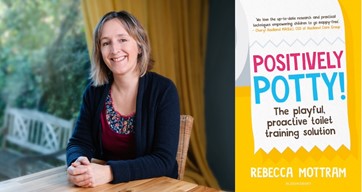
Rebecca Mottram is a children’s nurse, researcher and potty learning specialist. She’s the author of Positively Potty from Bloomsbury, and hosts the Go Potty Podcast. Find more evidence-based, child-centred toilet training resources at rebeccamottram.com.