Helping Your Toddler Cope with Big Feelings after Separation
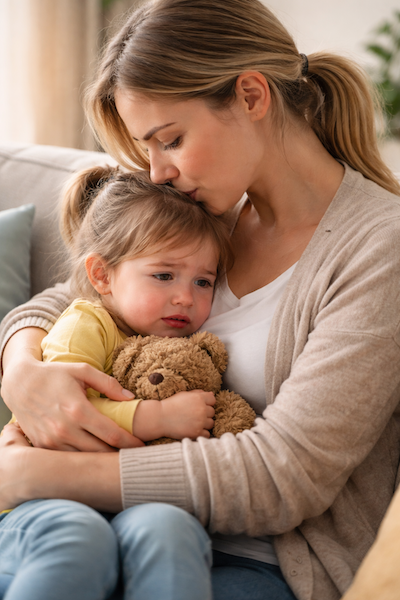
Why Toddlers Struggle With Separation
Toddlers thrive on routine, familiarity, and close attachment to their caregivers. When separation happens, it can disrupt all three.
At this stage, children don’t fully understand what divorce or separation means. They may simply notice that one parent is no longer around as often, or that their daily routine has changed. This can lead to uncertainty and even fear.
Some common reasons toddlers struggle include:
* Limited understanding of change – they can’t grasp long-term situations
* Fear of abandonment – they may worry a parent won’t come back
* Disrupted routines – changes in sleep, meals, or childcare can feel overwhelming
Because of this, even small changes can feel very big to a young child.
Common Big Feelings You Might See
Toddlers express emotions through behaviour rather than words. After separation, you might notice changes that seem sudden or intense.
These can include:
* Tantrums or meltdowns that happen more frequently
* Clinginess, especially during drop-offs or bedtime
* Sleep disruptions, such as waking at night or resisting bedtime
* Regression, like needing a dummy again or setbacks in potty training
* Increased fussiness or frustration
While these behaviours can be challenging, they are often your child’s way of saying, “I don’t understand what’s happening, and I need reassurance.”
Simple Ways to Support Your Toddler
The most powerful thing you can offer your toddler right now is consistency and emotional safety. Small, everyday actions can make a big difference.
Keep routines consistent
Try to maintain regular times for meals, naps, and bedtime. Familiar routines help your child feel secure, even when other parts of life are changing.
Offer comfort and reassurance
Extra cuddles, calm words, and physical closeness can go a long way. Remind your child often that they are safe and loved.
Use simple, clear language
Keep explanations short and age-appropriate. For example:
“Mummy and Daddy live in different homes, but we both love you very much.”
Validate their feelings
Even if their reaction seems small to you, it feels big to them. Try phrases like:
* “I can see you’re upset.”
* “It’s okay to feel sad.”
This helps your child feel understood rather than dismissed.
Creating Emotional Safety Across Two Homes
If your toddler is moving between two homes, creating a sense of familiarity in both spaces is key.
Keep familiar items in both homes
Favourite toys, books, or blankets can provide comfort and continuity.
Maintain similar routines
Where possible, try to align routines between households especially around sleep and meals.
Make transitions calm and predictable
Keep handovers low-stress and reassuring. A simple goodbye routine (like a hug and a wave) can help your child know what to expect.
Over time, these small steps help your toddler feel that both homes are safe and secure places.
What to Avoid
During separation, certain behaviours often unintentional can make things harder for your child.
Try to avoid:
* Arguing in front of your child
* Speaking negatively about the other parent
* Asking your child to take sides
* Over-explaining adult issues
Your toddler doesn’t need the details they just need to feel safe, loved, and protected from conflict.
When to Seek Extra Support
Most toddlers adjust over time with consistent support. However, there are times when extra help may be needed.
Consider seeking guidance if you notice:
* Ongoing sleep difficulties that don’t improve
* Extreme withdrawal or lack of interest in play
* Persistent aggression or distress
* Regression that continues for an extended period
Speaking to a GP, health visitor, or child specialist can provide reassurance and practical support.
A Gentle Reminder for Parents
Supporting your toddler through separation isn’t about getting everything perfect it’s about being present, patient, and consistent.
There may be difficult days, and that’s completely normal. What matters most is that your child continues to feel loved, reassured, and supported by you.
With time, stability, and care, toddlers are incredibly resilient. Even through big changes, they can learn to feel safe, secure, and happy again.