The Complete Buying Guide to the Best Toddler Mattress and Pillow in Australia Under $600
Making the switch from a nursery cot to a "big kid bed" is one of those bittersweet parenting milestones. It’s exciting, sure, but it also brings up a ton of questions about safety, comfort, and—let’s be honest—how much this is all going to cost. If you are scouring the web for a toddler mattress or the perfect toddler pillow that won’t break the bank, you’ve come to the right place.
In Australia, you don’t need to spend thousands to get a high-quality sleep setup. In fact, you can secure a premium, supportive, and non-toxic environment for under $600. Let’s dive into how to choose the best gear for your little one’s growing spine without losing your own sleep over the price tag.
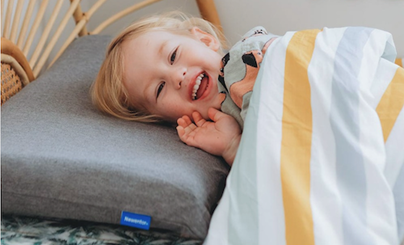
5 Signs that Your Kids Are Ready to Toddler Mattress and Pillow
How do you know it’s actually time to upgrade? Age is just a number; readiness is a vibe. Here are five signs your little one is ready to ditch the cot:
1. The Great Escape: If your child is consistently trying to climb out of the cot, it’s a safety hazard. A toddler mattress on a low frame or floor bed is the next logical step.
2. The Height Limit: Once they reach about 85–90cm tall, they’ve likely outgrown the standard cot dimensions.
3. Morning "Neck Cricks": If you notice your child bunching up their blanket to put under their head, they are craving the support a toddler pillow provides.
4. The Request: Sometimes, they just tell you! If they are excited about a "big bed" like their older siblings or friends, use that momentum.
5. Sleep Disruption: If they were previously good sleepers but are now tossing and turning because they keep hitting the cot rails, they simply need more real estate.
Why Your Toddler’s Mattress & Pillow Matter More Than Yours
We often prioritise our own orthopeadic mattresses, but a child's sleep surface is technically more critical. According to Red Nose Australia, a firm, flat surface is non-negotiable for young children to reduce SIDS risks and ensure clear airways.
Furthermore, a toddler's skeleton is still mostly "soft" (ossifying), meaning their spine needs consistent, neutral alignment to grow correctly. A toddler mattress that is too soft can lead to postural issues later in life. Similarly, a standard adult pillow is far too thick for a toddler’s small frame, potentially straining their neck and causing breathing obstruction. Choosing the right toddler pillow ensures their head sits at the correct angle relative to their shoulders.
What Factors Should You Consider When Buying a Toddler Mattress Under $600 in Australia?
Buying a mattress for a growing child is different from buying one for yourself. In Australia, where safety standards are high and the climate is unique, you need to look for a specific balance of support and airflow. Here are the non-negotiables:
1. Get the Size Right (Australian Standards)
A mattress that is even 2cm too small creates a dangerous gap. Always measure your frame's internal dimensions—the gap should never exceed 20mm per Australian safety standards. More Australian Bed Mattress Sizes Guide>>
* Standard Cot/Toddler: 70cm x 132cm (Common for convertible cots).
* Large/Boori Size: 77cm x 132cm (For larger wooden frames).
* Single Bed: 92cm x 188cm (If skipping the toddler bed phase).
2. Firmness and Spinal Support
While we might love a "sink-in" feeling, toddlers need a firm, flat surface to support their developing bones and keep their airways clear (as recommended by Red Nose Australia). A simple "Hand Test" is key: when you press down, the surface should spring back immediately without leaving a deep indentation.
3. Breathability for the Australian Climate
Toddlers struggle to regulate their body temperature, and an Aussie summer can lead to restless, sweaty nights. Look for mattresses with open-cell foam or hybrid spring systems that allow heat to escape rather than trapping it against the child's skin.
4. Safety Certifications (OEKO-TEX & CertiPUR-US)
Since kids spend nearly half their day with their faces pressed against the mattress, ensure the materials are free from harmful chemicals, heavy metals, and ozone depleters.
Finding the Sweet Spot: Why the Newentor Hybrid Stands Out
Finding a mattress that hits all these safety marks for under $600 can be a challenge, but the Newentor Hybrid Mattress for toddlers has become a go-to for many Australian parents for a few specific reasons.
Instead of a basic slab of foam, it uses a 7-zone support system. This is crucial because a toddler’s weight distribution changes rapidly as they grow; the zoned design ensures their spine stays aligned, whether they are 2 or 5 years old.
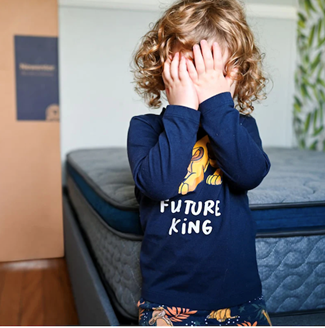
What really wins in the local climate, however, is the hybrid construction. By combining breathable pocket springs with specialised foam, it offers significantly more airflow than traditional foam-only mattresses. It fits standard Australian sizing perfectly, meaning you get that "snug fit" safety requirement without the premium "boutique" price tag.
How to Choose the Right Toddler Pillow?
Standard pillows are a big no-no for kids under two. Once they hit that 18–24 month mark, the Australian Medical Association suggests a low-profile pillow can be introduced.
1. The "Loft" (Height): Why One Size Doesn’t Fit All
The "loft" refers to the thickness of the pillow. For toddlers, a pillow that is too high can strain their neck and chin toward their chest, potentially obstructing breathing. As a general rule, the pillow should keep their head in a neutral position, aligned with their spine.
* Ages 2 to 3 Years: Look for a very low loft, between 2cm and 4cm. At this stage, they only need a slight lift to fill the small gap between their neck and the mattress.
* Ages 4 to 5 Years: As their shoulders broaden, you can increase the loft to 5cm to 7cm.
* Pro Tip: Avoid any pillow over 7cm until they are much older, as their spinal curve is still developing.
2. Firmness vs. Softness
A toddler pillow should be firm enough to support the head without allowing it to sink completely to the mattress, yet soft enough to be comfortable. Avoid ultra-plush or "down" pillows that can wrap around a child's face, posing a suffocation risk.
3. Material and Breathability
Toddlers often sweat during the night as they enter deep sleep cycles.
* Memory Foam: Look for "open-cell" or perforated memory foam to ensure airflow.
* Natural Fibres: Cotton or bamboo covers are excellent for moisture-wicking in the Australian heat.
* Hypoallergenic: Ensure the fill is resistant to dust mites and mold, especially if your child has sensitivities.
If you’re worried about picking the wrong height, the Newentor Adjustable Memory Foam Pillow is a game-changer for Australian parents.
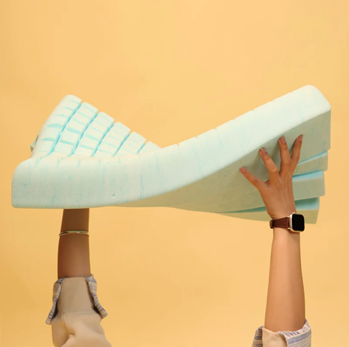
Rather than buying a new pillow every year as your child grows, this pillow features a multi-layer adjustable design. You can remove or add internal layers to perfectly match the recommended loft for your child's age:
* Use a single layer for that 2cm–3cm loft when they first transition from the cot.
* Add layers as they grow toward age 5 to maintain that perfect 5cm+ spinal alignment.
Combined with a skin-friendly, breathable cover, it’s a cost-effective and orthopedically sound choice that evolves alongside your child.
Bottom Lines
Investing in a high-quality toddler mattress and toddler pillow is an investment in your child's long-term health and your own sanity. By choosing supportive, certified products, you ensure your child gets the deep, restorative sleep they need for cognitive and physical development. Remember, a mattress is only "good" if it's safe—so prioritise firmness and non-toxic certifications over plushness.
With a 120-night free trial & 10-year warranty guarantee, why not give the Newentor range a try? It’s designed to bring you and your little one a brand-new sleep experience with superior durability and comfort.