When Postnatal Recovery Meets Perimenopause - The Overlooked Overlap
Since the 1990s, the number of women having babies in their 40s has more than doubled.[i] Whilst there are many benefits to having children later in life, including potentially living to a greater age,[ii] it can create a doubling up effect where a woman is navigating postnatal recovery alongside the onset of perimenopause.
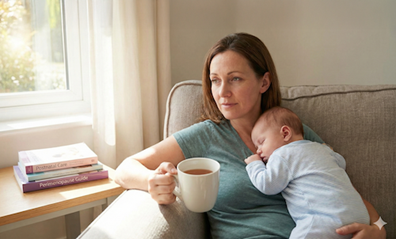
Add to this the stresses and strains of motherhood and it becomes the perfect storm for anxiety, low mood, fatigue and constant brain fog.
Sadly, these symptoms are often placed under the label “motherhood” giving a sense of needing to just get on with it. When in actual fact, mothers are confused, frustrated and feeling broken and alone.
What no one is telling you is that you are not broken. Your body is carrying a huge load, such as…
* nutrient depletion from pregnancy
* sleep disruption
* breastfeeding demands
* physical healing
* the mental load of caring for a young child
All things new mums experience, plus…
* reducing progesterone levels[iii] (your calming and sleep supporting hormone)
* a greater sensitivity to everyday stress[iv] (in part due to perimenopausal hormone fluctuations[v])
So how can you support yourself through this phase?
This is not about bouncing back, it is about providing realistic and kind support for your body and nervous system.
1. Concentrate on what to include rather than what to avoid
Your body needs more nutrients now than at almost any other life stage, so build meals with:
* Protein to stabilise blood sugar and support hormone production
* Healthy fats for mood and brain health
* Leafy greens and colourful vegetables for minerals and antioxidants
* Whole carbohydrates (potatoes, lentils and beans) for slow-release energy
Tip: Many women benefit from checking iron, B vitamins and magnesium, as they’re commonly depleted postnatally and important in perimenopause.
2. Stabilise blood sugar
Blood sugar swings can worsen anxiety and fatigue. Eating regularly, balancing meals and avoiding long gaps without food can make a big difference.
Tip: Eat within an hour of eating (even something small)
3. Support your nervous system
Complete the stress cycle. Often a stress response is triggered but never switched off, leaving you in a heightened state. You can complete the cycle by:
a. Shaking your body
b. Taking deep breaths
c. Belly laughs
d. Being creative (writing, drawing or music)
e. Having a positive conversation with a friend
4. Track your cycle and mood
Charting helps you spot patterns, understand symptoms and identify whether changes are postnatal, perimenopausal or both. It also helps you track where things are improving.
5. Seek support
You do not need to wait until things feel unmanageable. A women’s health specialist can help you understand what is going on and what you need. The amount of information available online is overwhelming and confusing. Remember you are unique and your needs may be different to others.
You are not broken
If you are finding postnatal recovery harder than expected, there is nothing wrong with you. Your body is doing a remarkable amount and you deserve care, clarity and support through this chapter.

Rose Constantine RNutr is a Nutritionist specialising in hormone health. She supports women who feel overwhelmed by mood swings, anxiety or PMDD-type symptoms, helping them understand their bodies and feel calmer, clearer and more in control. Find out more: www.roseconstantine.co.uk or @the.womensnutritionist